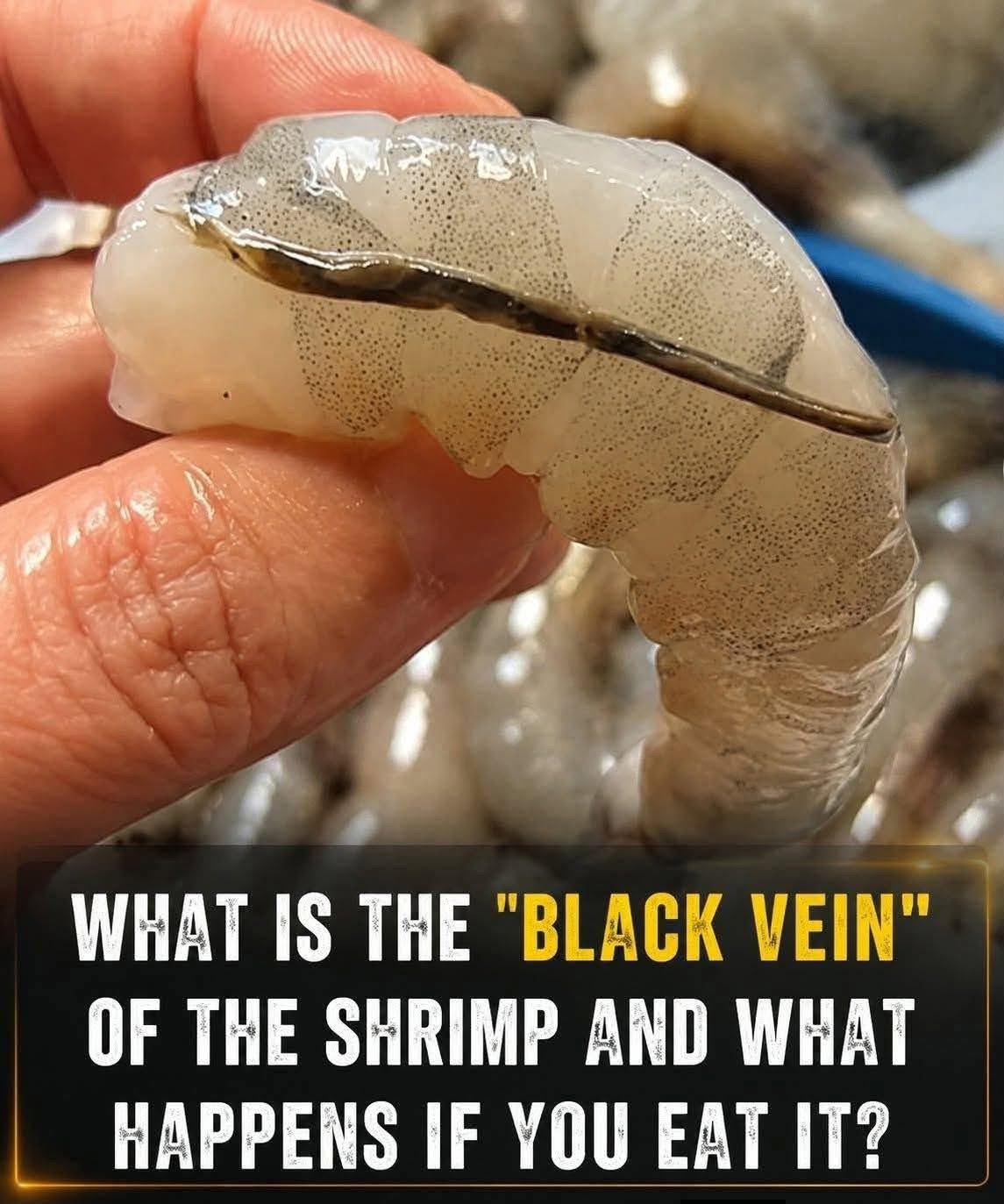
🍤 The Dark Line in Shrimp Explained: What It Really Is—and Why Cooks Argue About Removing It
Have you ever peeled shrimp and noticed a dark line running along its back? 🍤👀
Some cooks remove it every time. Others leave it alone without giving it a second thought.
So, what exactly is that dark line?
The line is the shrimp’s digestive tract, often called the “vein” in cooking. Despite the nickname, it isn’t actually a blood vessel. Depending on the shrimp and what it has eaten, it can appear dark, brown, greenish, or barely visible.
Is it dangerous? Usually, properly handled and thoroughly cooked shrimp are safe to eat, and whether you remove the digestive tract is largely a matter of appearance, texture, and personal preference.
Let’s take a closer look. 👇
🍤 WHAT IS THE DARK LINE?
The dark line along the back of a shrimp is the digestive tract.
Because it can contain digestive contents, some people prefer to remove it before cooking. Others don’t mind leaving it in, particularly when preparing smaller shrimp where the line is barely noticeable.
The decision is mostly about preparation preference, not a rule that every shrimp must be deveined.
━━━━━━━━━━━━━━━━━━
🧂 SIMPLE GARLIC BUTTER SHRIMP RECIPE
If you’re going to prepare shrimp, here’s an easy recipe that lets those delicious shrimp flavors shine.
🛒 INGREDIENTS
• 500 g (1.1 lb) peeled shrimp
• 3–4 cloves garlic, finely minced
• 2 tablespoons butter
• 1 tablespoon olive oil
• 1 tablespoon fresh lemon juice
• 1 tablespoon chopped fresh parsley
• ½ teaspoon paprika
• Salt, to taste
• Black pepper, to taste
• Lemon wedges, for serving
🌶️ OPTIONAL ADDITIONS
• A pinch of chili flakes
• A little grated lemon zest
• Fresh coriander
• A small amount of grated Parmesan for serving
• Cooked rice or crusty bread
━━━━━━━━━━━━━━━━━━
👩🍳 INSTRUCTIONS
1. Clean the shrimp
If the shrimp haven’t been peeled, remove the shell.
If you want to remove the dark digestive tract, make a shallow cut along the back and gently lift it out with the tip of a knife or a clean utensil.
Rinse only as needed and pat the shrimp dry with paper towels.
2. Season
Place the shrimp in a bowl and season lightly with paprika, black pepper, and salt.
Don’t over-season—the garlic, butter, lemon, and natural flavor of the shrimp should still come through.
3. Heat the pan
Place a large skillet over medium heat.
Add the olive oil and butter.
Once the butter has melted, add the minced garlic.
Cook briefly until fragrant, being careful not to burn the garlic.
4. Cook the shrimp
Add the shrimp in a single layer.
Cook until they become opaque and are cooked through, turning them as needed.
The exact cooking time depends on their size, so watch the shrimp rather than relying only on the clock.
5. Add lemon
Turn off the heat and add the fresh lemon juice.
Toss everything together so the buttery garlic sauce coats the shrimp.
6. Finish
Sprinkle with fresh parsley.
Serve immediately with lemon wedges. 🍋🍤
━━━━━━━━━━━━━━━━━━
🔪 THE METHOD: SHOULD YOU REMOVE THE DARK LINE?
There are two common approaches.
METHOD 1 — REMOVE IT
Make a shallow slit along the back of the shrimp and gently pull out the digestive tract.
This gives the shrimp a cleaner appearance, particularly when you’re serving large shrimp.
METHOD 2 — LEAVE IT
If the shrimp are small and the line is barely visible, some cooks simply leave it in.
This is especially common in casual cooking where appearance isn’t as important.
Either way, good food-safety practices matter: buy shrimp from a reliable source, keep them properly chilled, avoid cross-contamination, and cook them thoroughly.
━━━━━━━━━━━━━━━━━━
📜 A LITTLE HISTORY
Shrimp have been eaten by coastal communities around the world for centuries.
Before modern refrigeration, people living near rivers, oceans, and estuaries developed many different ways of preparing seafood, including grilling, boiling, frying, drying, salting, and incorporating shrimp into sauces and stews.
As culinary traditions developed, cooks also developed different approaches to cleaning shrimp.
That’s one reason you’ll find different opinions about deveining. In some kitchens it is considered an important part of preparation; in others, it is completely optional.
━━━━━━━━━━━━━━━━━━
🌿 NUTRITIONAL BENEFITS
Shrimp can be a nutritious source of protein and provide nutrients such as vitamin B12, selenium, and iodine.
They can also be relatively low in calories compared with many fried or heavily processed foods when prepared simply.
However, nutritional content varies according to preparation. Adding lots of butter, oil, or salty sauces can substantially change the overall nutrition of the dish.
As always, variety and balance are more important than treating any single food as a “miracle” ingredient.
━━━━━━━━━━━━━━━━━━
🍤 WHY COOKS ARGUE ABOUT IT
This debate continues because there isn’t one universal kitchen rule.
Some cooks say:
“Remove it—it looks cleaner.”
Others say:
“It’s edible, so why bother?”
Both perspectives can make sense depending on the shrimp, the dish, and the cook’s preference.
With large shrimp, the digestive tract can be more noticeable. With tiny shrimp, removing it may be difficult and unnecessary from a practical standpoint.
Ultimately, deveining is mainly a matter of preference and presentation, while proper storage and cooking are much more important for food safety.
━━━━━━━━━━━━━━━━━━
🧄 FOR GARLIC LOVERS
Want an extra-garlicky version?
Add another clove or two of minced garlic and finish the dish with fresh parsley and lemon zest.
For a gentle spicy kick, add a small pinch of chili flakes while the garlic cooks.
Serve over rice, pasta, or alongside toasted bread to soak up the buttery sauce. 😋
━━━━━━━━━━━━━━━━━━
🍋 SERVING IDEAS
This garlic butter shrimp pairs beautifully with:
🍚 Steamed rice
🍝 Pasta
🥖 Crusty bread
🥗 Green salad
🥦 Roasted vegetables
🥔 Roasted potatoes
🍋 Fresh lemon wedges
For a simple meal, serve the shrimp over rice with a side of vegetables.
━━━━━━━━━━━━━━━━━━
✨ FORMATION & PRESENTATION
For a beautiful plate, arrange the cooked shrimp in a shallow serving dish.
Drizzle the remaining garlic-butter sauce over the top and sprinkle with chopped parsley.
Add lemon wedges around the edge.
The combination of golden shrimp, green herbs, and bright lemon makes a simple dish look restaurant-worthy without complicated preparation.
━━━━━━━━━━━━━━━━━━
❤️ FOR SEAFOOD LOVERS
If you love seafood, shrimp are one of the easiest ingredients to turn into a quick meal.
They cook relatively quickly, work with many different seasonings, and can be prepared in countless ways—from garlic butter and grilled shrimp to soups, rice dishes, salads, and pasta.
The most important thing is choosing good-quality shrimp and handling them safely.
━━━━━━━━━━━━━━━━━━
🧠 THE BIG TAKEAWAY
🍤 The dark line is the shrimp’s digestive tract.
🔪 Removing it is commonly called deveining.
👀 Some cooks remove it for appearance and texture.
👌 Others leave it in, especially when it is barely noticeable.
🔥 Proper handling and thorough cooking are important for food safety.
❤️ Whether you devein shrimp is largely a personal cooking preference.
So next time you prepare shrimp and notice that little dark line, you’ll know exactly what you’re looking at!
━━━━━━━━━━━━━━━━━━
🍋 CONCLUSION
The “dark line” in shrimp may look mysterious, but there’s nothing complicated about it: it’s the digestive tract.
The real debate isn’t necessarily about whether it can be eaten—it’s about what you prefer in your kitchen.
For a beautiful presentation, many cooks choose to remove it. For smaller shrimp or casual dishes, others simply leave it alone.
Either way, pair your shrimp with garlic, butter, lemon, and fresh herbs, and you have a simple dish that’s full of flavor. 🍤🧄🍋❤️
Do you remove the dark line from shrimp, or do you leave it?
👇 Tell us in the comments!
And if you love easy recipes and cooking tips, save and share this article with another seafood lover! ❤️🍤