🥩 Herb-Garlic Slow-Cooked Beef
Introduction
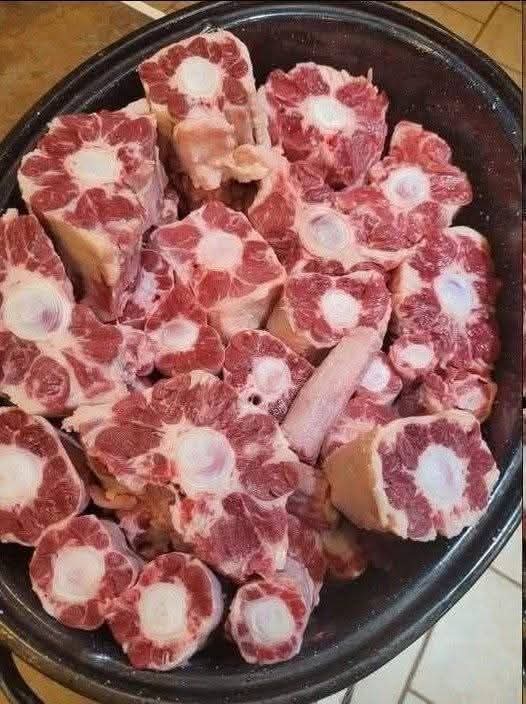
If you have a beautiful piece of beef but aren’t quite sure which cut it is, don’t worry! A simple combination of garlic, herbs, onions, and slow cooking can turn many tougher beef cuts into a flavorful, tender meal. The key is matching the cooking method to the cut—lean cuts usually prefer quicker cooking, while tougher cuts often benefit from low-and-slow cooking.
🛒 Ingredients
- 1½–2 kg beef roast or beef cut
- 1 large onion, sliced
- 5–6 garlic cloves, minced
- 2 tablespoons olive oil
- 1 teaspoon salt
- ½ teaspoon black pepper
- 1 teaspoon paprika
- 1 teaspoon dried thyme
- 1 teaspoon dried rosemary
- 2 cups beef stock
- 1 tablespoon tomato paste
- 2 carrots, chopped
- 3–4 potatoes, cut into large pieces
- 2 bay leaves
- 1 tablespoon Worcestershire sauce, optional
- Fresh parsley for serving
👩🍳 Instructions
- Pat the beef dry with paper towels.
- Season it generously with salt, pepper, paprika, thyme, and rosemary.
- Heat the olive oil in a large heavy pot.
- Brown the beef on all sides until nicely seared.
- Remove the beef and add the sliced onion and garlic.
- Cook for a few minutes until fragrant.
- Stir in the tomato paste.
- Add the beef stock and Worcestershire sauce.
- Return the beef to the pot.
- Add the carrots and bay leaves.
- Cover and cook gently until the beef becomes tender.
- Add the potatoes during the later part of cooking so they don’t become overly soft.
- Check the seasoning before serving.
- Sprinkle with fresh parsley and serve warm.
🍲 Cooking Methods
Slow-cooking method:
Best for tougher cuts such as chuck or other braising cuts. Cook gently for several hours until tender.
Oven method:
Place everything in a covered oven-safe dish and cook at about 160°C / 325°F until the beef is tender.
Pressure-cooker method:
A pressure cooker can significantly reduce the cooking time while still producing tender beef.
Grilling or pan-searing:
If the mystery cut turns out to be a naturally tender steak, slow cooking may not be the best choice. Tender cuts are often better quickly seared or grilled and served after resting.
🕰️ A Little History
Slow-cooked beef dishes have appeared in many cuisines because they are a practical way to transform flavorful but tougher pieces of meat into tender meals. European stews, French-style braises, British pot roasts, and many North African meat dishes use similar principles: brown the meat, add aromatic ingredients and liquid, then cook slowly.
🌿 Benefits
Beef provides important nutrients including protein, iron, zinc, and vitamin B12. Vegetables such as carrots, onions, garlic, and potatoes add carbohydrates, fiber, vitamins, and other nutrients.
The exact nutritional value depends on the cut of beef, portion size, and ingredients used.
❤️ For Meat Lovers
This recipe is especially appealing if you love rich, comforting flavors. The combination of browned beef, caramelized onions, garlic, herbs, and savory cooking juices creates a hearty meal that’s perfect with potatoes, rice, bread, or vegetables.
🔥 The Secret to Great Beef
The most important step is identifying the cut before choosing the cooking method. A tender steak and a tough braising cut should not be treated the same way. If you post a clear photo showing the whole piece of meat and its shape, people may be able to identify it more accurately.
🥩 Conclusion
Not sure what cut you have? Start by taking a clear picture and asking the cooking community. Once the cut is identified, you can choose the perfect method—grill, roast, pan-sear, or slow-cook—and get the best possible result.
What cut of meat do you think this is? And what would YOU make with it? 👇🥩❤️