Introduction
I’ve been looking for this cake for such a long time, and finally, here it is! One bite brings back memories of old-fashioned homemade cakes, family celebrations, and the wonderful desserts that always seemed to appear on Grandma’s kitchen table.
The cake is soft, fluffy, buttery, and full of delicate vanilla flavor. But the real star of the show is the frosting! It’s smooth, creamy, rich, and sweet, with a melt-in-your-mouth texture that makes every slice feel extra special.
This is the kind of cake that looks beautiful on a birthday table but is simple enough to make just because you’re craving something homemade. Whether you’re celebrating a special occasion, welcoming friends, or enjoying a quiet afternoon with coffee, this classic vanilla cake is always a welcome treat.
The best part is that you don’t need professional decorating skills. With a tender homemade cake and a generous layer of creamy frosting, you can create a dessert that looks like it came straight from a bakery.
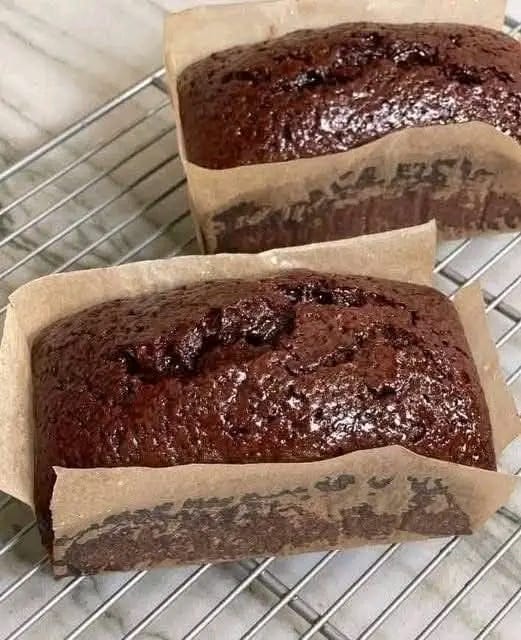
Recipe note: The original post doesn’t identify the exact cake, so this is a complete suggested vanilla cake recipe with classic buttercream frosting.
Recipe overview
Preparation time
25 minutes
Baking time
25–35 minutes
Yield
10–12 servings
Difficulty
Easy to moderate
Ingredients
For the vanilla cake
- 2½ cups (310 g) all-purpose flour
- 1½ cups (300 g) granulated sugar
- ¾ cup (170 g) unsalted butter, softened
- 3 large eggs, at room temperature
- 1 cup (240 ml) milk
- 2½ teaspoons baking powder
- 2 teaspoons vanilla extract
- ½ teaspoon salt
For the creamy buttercream frosting
- 1 cup (225 g) unsalted butter, softened
- 3½ cups (420 g) powdered sugar, sifted
- 2–3 tablespoons milk or heavy cream
- 2 teaspoons vanilla extract
- A small pinch of salt
Optional decorations
- Rainbow sprinkles
- White chocolate shavings
- Fresh berries
- A light dusting of powdered sugar
Instructions: How to make the cake
Step 1: Prepare the oven
Preheat your oven to 350°F (175°C).
Grease two 8-inch round cake pans and line the bottoms with parchment paper. This helps the cake layers release easily after baking.
Step 2: Combine the dry ingredients
In a medium bowl, whisk together the flour, baking powder, and salt.
Mixing them first helps distribute the baking powder evenly, which encourages the cake to rise uniformly.
Step 3: Cream the butter and sugar
In a large mixing bowl, beat the softened butter and granulated sugar for about 3–4 minutes, until pale and fluffy.
This step incorporates air into the batter and contributes to the cake’s light texture.
Step 4: Add the eggs and vanilla
Add the eggs one at a time, beating well after each addition. Mix in the vanilla extract.
Scrape down the sides of the bowl as needed to ensure everything is evenly combined.
Step 5: Add the flour and milk
Add about one-third of the flour mixture, followed by half the milk. Repeat, finishing with the remaining flour mixture.
Mix on low speed just until combined. Avoid overmixing, which can make the cake dense.
Step 6: Fill the pans
Divide the batter evenly between the prepared cake pans. Smooth the tops with a spatula.
Tap each pan gently on the counter to release any large air pockets.
Step 7: Bake
Bake for approximately 25–35 minutes, or until the tops are lightly golden and a toothpick inserted into the center comes out clean or with a few moist crumbs.
Avoid opening the oven door too early, as this may cause the cake to sink.
Step 8: Cool completely
Let the cakes rest in their pans for 10 minutes, then carefully turn them onto wire racks.
Allow both layers to cool completely before frosting. Warm cake can melt the buttercream and make it slide off.
The secret to the unreal frosting

This frosting is rich, creamy, and wonderfully smooth. The key is to use softened butter and add the powdered sugar gradually.
Step 1: Beat the butter
Place the softened butter in a large bowl. Beat for 3–4 minutes until pale, smooth, and fluffy.
Step 2: Add the powdered sugar
Add the sifted powdered sugar in small portions, mixing on low speed at first to prevent a cloud of sugar from escaping the bowl.
Once incorporated, increase the speed and beat until the mixture becomes fluffy.
Step 3: Add vanilla and milk
Mix in the vanilla extract and a pinch of salt. Add the milk or cream one tablespoon at a time until the frosting reaches your preferred consistency.
Use less liquid for a firmer frosting suitable for piping, or a little more for a softer frosting that’s easy to spread.
Step 4: Whip until fluffy
Beat the frosting for another 2–3 minutes until light and creamy. Scrape the bowl occasionally to make sure there are no pockets of unmixed sugar.
Step 5: Assemble the cake
Place the first completely cooled cake layer on a serving plate. Spread an even layer of frosting over the top.
Place the second layer on top and cover the top and sides with the remaining buttercream.
Finish with sprinkles, berries, or simple decorative swirls if desired.
Cooking and decorating methods
Method 1: Classic layer cake
Use two round cake pans and spread buttercream between the layers and around the outside. This is ideal for birthdays and celebrations.
Method 2: Vanilla sheet cake
Pour all the batter into a greased 9 × 13-inch pan. Begin checking for doneness after approximately 30 minutes, allowing extra time if needed. Once cool, spread frosting over the top.
This version is convenient for potlucks and family gatherings because it is easy to slice and serve.
Method 3: Cupcakes
Divide the batter among lined muffin cups, filling each about two-thirds full. Bake for approximately 18–23 minutes, checking for doneness. Let them cool before piping the buttercream on top.
Method 4: Chocolate variation
Add ¼ cup (25 g) of unsweetened cocoa powder to the cake batter, replacing an equal amount of flour. You may need a small adjustment to the milk to maintain the batter’s consistency.
For a chocolate frosting, replace a little powdered sugar with sifted cocoa powder and adjust the milk gradually.
The history of classic vanilla cake
Vanilla cakes have a long history in European and North American baking traditions. Early cakes were often dense and rich, relying on butter, sugar, eggs, and the ingredients available in the household.
As refined sugar, baking powder, and home ovens became more widely available, lighter cakes became easier to prepare. Vanilla became a favorite flavor because its delicate aroma complements butter and sugar without overpowering them.
Buttercream frosting also became a popular choice for decorating celebration cakes because it can be spread smoothly, piped into decorative shapes, and flavored in many different ways.
There isn’t one documented origin for this particular recipe. Instead, it represents a classic home-baking combination that generations of bakers have adapted for birthdays, holidays, weddings, and everyday celebrations.
Benefits of making homemade cake
Although cake is primarily a sweet treat, making it at home has several practical advantages.
- Ingredient control: You can choose the type of butter, milk, and flavorings you prefer.
- Customizable sweetness: You can adjust the frosting quantity to suit your taste.
- Fresh flavor: Homemade cake can be served shortly after baking for the best texture.
- Versatility: The same batter can be used for layer cakes, sheet cakes, or cupcakes.
- A shared activity: Measuring, mixing, and decorating can be a fun family baking project.
The eggs and milk provide some protein and other nutrients, but the cake and buttercream also contain added sugar and saturated fat. Enjoy a slice as part of a varied diet.
Formation: Why is this cake so soft and the frosting so creamy?
What makes the cake tender?
1. Creaming butter and sugar: Beating these together incorporates air, helping create a lighter crumb.
2. Eggs: They provide structure and help bind the ingredients together.
3. Milk: It adds moisture and helps the batter reach the right consistency.
4. Baking powder: This releases gas during baking, helping the cake rise.
5. Gentle mixing: Mixing only until combined prevents excessive gluten development and helps the cake stay tender.
What makes the frosting so smooth?
1. Softened butter: Butter that’s pliable but not melted whips more evenly.
2. Sifted powdered sugar: Sifting reduces lumps and helps create a smoother finish.
3. Gradual liquid addition: Adding milk or cream a little at a time prevents the frosting from becoming too runny.
4. Proper whipping: Beating the frosting incorporates air, creating a lighter texture.
5. A pinch of salt: This balances the sweetness and brings out the vanilla flavor.
Tips for bakery-style results
- Measure the flour accurately instead of packing it into the measuring cup.
- Make sure your butter is softened, not melted.
- Use room-temperature eggs and milk for a smoother batter.
- Avoid overmixing after adding the flour.
- Check the cake with a toothpick before removing it from the oven.
- Let the cake cool fully before decorating.
- If the frosting is too stiff, add milk a teaspoon at a time.
- If the frosting becomes too soft, refrigerate it briefly before spreading.
- For a smooth finish, apply a thin crumb coat first, chill the cake for 15–20 minutes, and then add the final frosting layer.
How to serve this cake
This cake fits beautifully into many occasions.
- Birthday celebrations: Add colorful sprinkles or candles.
- Afternoon tea: Serve a small slice with tea or coffee.
- Family gatherings: Cut the cake into generous portions and arrange them on a serving platter.
- Holiday desserts: Decorate with seasonal fruit or simple piped frosting.
- A cozy weekend: Enjoy a slice with warm milk or your favorite hot drink.
For a balanced dessert plate, you can also serve the cake alongside fresh berries.
Storage and make-ahead instructions
At room temperature: Because buttercream contains a high proportion of sugar and butter, storage depends on the recipe and conditions. For this homemade cake with milk-based frosting, refrigeration is the safer choice.
In the refrigerator: Store the frosted cake in a covered container for up to 4 days. Let slices sit briefly at room temperature before serving for a softer texture.
In the freezer: Unfrosted cake layers can be wrapped tightly and frozen for up to 2–3 months for best quality. Thaw completely before frosting. Buttercream can also be frozen separately in an airtight container.
Make-ahead tip: Bake the cake layers a day ahead and keep them well wrapped. Prepare the frosting and assemble the cake on the day you plan to serve it.
Frequently asked questions
Why did my cake turn out dense?
Possible causes include too much flour, overmixing, insufficient baking powder, or butter that wasn’t creamed properly with the sugar.
Why is my frosting too sweet?
Try adding a small pinch of salt and a little more vanilla. You can also use a thinner layer of frosting or reduce the powdered sugar slightly, although this may affect its firmness.
Can I make the cake without butter?
You can experiment with a suitable baking oil, but the flavor and texture will change. Butter contributes to the cake’s traditional flavor and structure.
Can I make the frosting ahead of time?
Yes. Refrigerate it in an airtight container. Before using, allow it to soften slightly and beat it again until smooth.
How do I get perfectly even cake layers?
Divide the batter evenly between the pans and check that both pans are positioned evenly in the oven. Once cooled, level the tops with a serrated knife if necessary.
Can I use this recipe for cupcakes?
Yes. Divide the batter into lined muffin cups and adjust the baking time, checking them early.
Conclusion
Some recipes become favorites because they deliver exactly what we want from homemade baking: a soft, tender cake, a wonderful vanilla aroma, and frosting so creamy that every bite feels special.
This classic vanilla cake with buttercream frosting is simple enough for a weekend baking project and beautiful enough for birthdays, holidays, and family celebrations.
Take your time creaming the butter, let the cake cool completely, and give the frosting a good whip. Those small details make all the difference.
Save this recipe for the next time you want a timeless homemade dessert that everyone can enjoy!
For the lovers of homemade cakes ❤️🍰
If you love soft cakes, dreamy frosting, and recipes that remind you of Grandma’s kitchen, this one deserves a place in your collection.
Share it with someone who loves baking, save it for your next celebration, and enjoy every creamy, delicious slice.
Tell us in the comments: Are you team extra frosting or team extra cake? 😍
This is a suggested vanilla cake and buttercream recipe based on your caption. The exact original cake cannot be identified without its name, photo, or ingredient list.
12
12